Caregiver Burnout: 7 Signs You're Exhausted and How to Feel Less Alone

You are not failing. You are not broken. What you are feeling has a name: caregiver burnout. It settles into your bones slowly, often without announcement, until one day you realize you cannot remember the last time you felt like yourself. If you landed here because you are searching for proof that this exhaustion is real and that someone understands, you have found it. This article walks through what caregiver burnout actually is, the seven signs that deserve your attention, the hidden weight that makes it so heavy, and the practical tools and community that can help you feel less alone, including the caregiver planner printable, medical organizer for caregivers, and hospital grab and go bag checklist created by Mama Mable, plus the caregiver podcast that meets you right where you are.
What Is Caregiver Burnout? (And Why It's Not Your Fault)
Caregiver burnout is not simply being tired after a long day. It is the point where the demands of caring for someone else consistently outweigh your physical, emotional, and mental resources. Normal stress ebbs and flows. Burnout settles in and stays, draining your reserves until there is nothing left to give.
More than 60% of caregivers experience symptoms of burnout, according to studies cited by Cleveland Clinic. That number should tell you something important: you are not an outlier. You are not uniquely inadequate. You are part of a vast, quiet majority of people who pour themselves out for someone they love and eventually hit a wall.
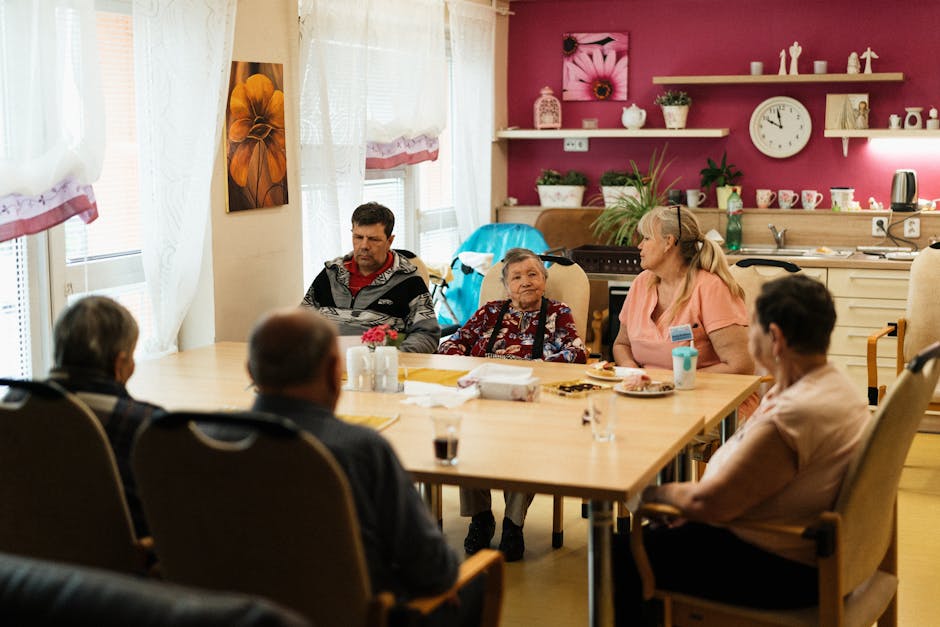
One of the cruelest parts of family caregiver burnout is the guilt cycle. You feel exhausted, then you feel guilty for feeling exhausted because you love the person you are caring for. You snap at them, then you feel ashamed. You fantasize about escape, then you tell yourself you are selfish. Burnout does not mean you do not love your care recipient. It means you are human, with human limits, and those limits have been crossed.
Understanding where you are on the burnout continuum can help. Valley Health System describes three stages. Stage one is stress, marked by anxiety and the sense that you are always running behind. Stage two is entrenchment, where you start neglecting your own needs, withdrawing socially, and feeling chronic fatigue. Stage three is full burnout, characterized by emotional numbness, hopelessness, and sometimes resentment toward the person you are caring for. Recognizing your stage is not about labeling yourself as broken. It is about giving yourself permission to name what is happening so you can begin to address it.
7 Signs of Caregiver Burnout You Shouldn't Ignore
1. You're Exhausted, Even After Rest
This is not the pleasant tiredness that follows a productive day. Caregiver exhaustion is a bone-deep depletion that sleep does not fix. You wake up feeling just as drained as when you went to bed. Physical tiredness comes from lifting, bathing, and running errands. Emotional depletion comes from the constant vigilance, the worry that hums in the background even when nothing is actively wrong. If rest no longer restores you, that is a sign your reserves are critically low.
2. You've Withdrawn from Friends and Activities
You cancel plans more often than you keep them. Text messages pile up unanswered. The hobbies that once filled your cup now feel like obligations you do not have energy for. Isolation creeps in quietly. At first, you tell yourself you are just too busy. Then you realize you have not spoken to a friend in weeks, and the thought of socializing feels exhausting rather than appealing. This withdrawal is a hallmark of caregiver burnout and a signal that your emotional bandwidth is maxed out.
3. You're Irritable or Quick to Anger
Small things set you off. The sound of the phone ringing. A question you have answered five times already. A minor mess. You find yourself snapping at the person you are caring for, then drowning in guilt afterward. Irritability in burnout often masks deeper feelings of resentment, grief, and overwhelm. Those feelings are not monstrous. They are human responses to an unsustainable load.

4. Your Health Is Declining
You are catching every cold that circulates. Headaches have become a regular companion. Your appetite has shifted, either disappearing or driving you toward comfort foods that leave you feeling worse. If you have a chronic condition of your own, it may be flaring more frequently. The body keeps score, and when emotional resources are depleted, physical health often follows. Getting sick more often is one of the clearest signs of caregiver burnout because chronic stress suppresses immune function.
5. You Feel Numb or Detached
Going through the motions without feeling anything is a protective mechanism. Your brain, overwhelmed by the emotional demands of caregiving, essentially dims the lights. You might find yourself physically present but emotionally absent, responding with flatness to things that once moved you. This numbness can feel unsettling, but it is a common response to prolonged stress. It signals that your system has been in overdrive for too long.
6. You're Struggling to Keep Track of Everything
Missed appointments. Forgotten medications. Important paperwork lost in a pile on the kitchen counter. The mental load of caregiving is enormous, and when burnout sets in, your cognitive function suffers. You may feel scattered, forgetful, and increasingly anxious about what you might be overlooking. This is not a character flaw. It is what happens when your brain is asked to hold too many threads at once without a system to support it.
7. You Feel Hopeless or Trapped
This is the most serious sign. You may feel there is no end in sight, no way out, and no future beyond the demands of caregiving. That trapped feeling can spiral into despair. If this resonates deeply, please know that crisis resources exist. You can call or text 988 at any time to reach a trained crisis counselor. Feeling hopeless does not mean you are beyond help. It means you need support urgently, and that support is available. 988lifeline.org
Why Caregiver Burnout Feels So Heavy (The Hidden Load)
Most people see the visible tasks of caregiving: the medication management, the doctor visits, the meal preparation. What they do not see is the invisible labor. The constant worry. The mental calculations about whether a symptom warrants an ER visit. The advocacy required to navigate healthcare systems that are not designed for ease. The emotional weight of watching someone you love decline.
This hidden load is compounded for the sandwich generation. Nearly 30% of caregivers are simultaneously caring for aging parents and raising children. You might spend your morning helping a parent with physical therapy and your evening helping a child with homework, with no space in between for your own needs. The pressure comes from both directions, and it rarely lets up.
Financial strain adds another layer that few people discuss openly. Out-of-pocket costs for medical supplies, home modifications, and reduced work hours accumulate quietly. You may have stepped back from full-time work or left a job entirely, trading income for availability. The stress of watching savings dwindle while caregiving demands grow creates a background anxiety that colors everything else.
Then there is the lack of control. Caregiving often means reacting to crises rather than planning for them. A fall, a sudden infection, a medication reaction: these events dictate your schedule and your emotional state. Living in a constant state of reactivity is exhausting. It robs you of the sense that you have any agency over your own life.
How to Find Caregiver Support (You Don't Have to Do This Alone)
Practical Tools to Lighten the Mental Load
One of the most effective ways to reduce caregiver burnout is to get everything out of your head and onto paper. When medications, appointments, emergency contacts, symptoms, and hospital notes live only in your memory, your brain never truly rests. It stays on high alert, afraid of forgetting something critical.
A medical organizer for caregivers gives you a single, structured place to record medications, dosages, pharmacy information, provider contacts, and appointment history. Instead of rifling through stacks of paper or searching your email while a doctor waits, you have what you need at your fingertips. That preparedness reduces the cognitive load and the anxiety that comes with it.
A hospital grab and go bag checklist removes the panic of a sudden ER visit. When a crisis hits at 2 a.m., you do not want to be scrambling for insurance cards, a change of clothes, or a list of current medications. Having a checklist means you can grab your prepared bag and go, knowing you have what you need. The checklist itself, even before the bag is packed, provides a sense of readiness that quiets the background fear of the unknown.
A caregiver planner printable helps you track daily caregiving tasks, symptoms, and your own self-care. It gives you back a sense of control by making the invisible visible. When you can see what you have done and what remains, the overwhelm becomes more manageable. You can also use it to schedule the one thing that always gets pushed aside: time for yourself.
Burnout often becomes heavier when everything lives in your head: medications, appointments, emergency contacts, symptoms, hospital notes, and daily caregiving tasks. The ER Hospital Grab and Go Pack, Medical Organizer, and Caregiver Planner Printable were created to help caregivers feel more prepared, less scattered, and supported during stressful moments. You can find these printable caregiver resources at Mama Mable's Caregivers shop on Etsy: etsy.com/shop/MamaMablesCaregivers
Finding Your People (Community and Podcasts)
Practical tools help with the logistics, but caregiver burnout also requires emotional connection. Isolation tells you that you are the only one struggling. Community reminds you that you are not.
Support groups, whether online or in-person, provide a space where you do not have to explain yourself. Everyone in the room already understands the weight you are carrying. Hearing someone else say "me too" is powerful medicine. It validates your experience and chips away at the shame that burnout often brings. The Caregiver Action Network offers a resource toolbox where you can filter by caregiver type, condition, and topic, making it easier to find support tailored to your situation.
Podcasts offer a uniquely accessible form of connection. You can listen while driving to an appointment, folding laundry, or sitting in a hospital waiting room. A caregiver podcast brings voices into your day that understand the emotional complexity of what you are doing. It costs nothing to listen, requires no childcare or respite coverage, and can be paused and returned to whenever you have a spare moment.
When caregiving leaves you feeling exhausted, unseen, or emotionally stretched thin, you do not have to walk through it alone. For real conversations, caregiver stories, emotional support, and practical encouragement, follow and subscribe to Mama Mable's Caregivers Podcast on YouTube: youtube.com/@caregiverspodcast
When to Seek Professional Help
There are times when community and practical tools are not enough, and professional support becomes necessary. Therapy, whether individual or family-based, offers a structured space to process guilt, grief, and resentment. A therapist who understands caregiving dynamics can help you untangle the emotions that feel too messy to handle alone.
Respite care is not a luxury. It is a necessity for preventing severe caregiver burnout. Whether it is a few hours a week from a home health aide, a short stay at an adult day center, or a family member stepping in for an afternoon, respite gives your nervous system a chance to reset. You cannot pour from an empty cup, and you cannot refill the cup without stepping away.
If thoughts of self-harm or harming the person you are caring for arise, please reach out immediately. Call or text 988. These thoughts can emerge when burnout becomes severe, and they are a signal that you need crisis-level support right now. Asking for help in these moments is not weakness. It is courage. 988lifeline.org
Preventing Caregiver Burnout Before It Starts
The early warning signs of burnout are subtle. A little more fatigue than usual. A little less patience. A skipped meal here, a canceled plan there. Because burnout develops gradually, it helps to check in with yourself regularly. A self-check worksheet, like the free printable offered by CARE Homecare, can help you track your emotional state over time and catch patterns before they deepen.
Setting boundaries early is essential. Learn to say no to extra obligations that drain you further. Learn to say yes when someone offers help, even if the help is imperfect. Your loved one does not need you to do everything. They need you to be sustainable.
Prioritize one non-negotiable act of self-care per day. Ten minutes of quiet with a cup of tea. A short walk. A phone call with a friend who makes you laugh. These small acts are not indulgent. They are maintenance for the person who is holding everything together.
Keep a master list using a caregiver planner printable so nothing falls through the cracks. The background anxiety of wondering what you have forgotten is exhausting in itself. When everything is written down in one place, your brain can finally relax enough to rest.
Final Thoughts: You Are Not Alone
Caregiver burnout is not a sign of weakness. It is a sign that a system, your body and mind, has been overwhelmed by demands that would overwhelm anyone. The love you have for the person you are caring for is real, but so is your need for rest, support, and practical tools that lighten the load.
You deserve to feel prepared when a crisis hits. You deserve to have a single place where medications and appointments are tracked. You deserve to hear voices that understand what you are living through. You deserve to feel seen.
Mama Mable's printable caregiver tools, including the ER Hospital Grab and Go Pack, Medical Organizer, and Caregiver Planner Printable, are available on Etsy to help you feel more organized and less scattered: etsy.com/shop/MamaMablesCaregivers
For emotional support, real stories, and practical encouragement, subscribe to Mama Mable's Caregivers Podcast on YouTube. You do not have to do this alone: youtube.com/@caregiverspodcast
Frequently asked questions
- What are the most common signs of caregiver burnout?
- Persistent exhaustion that rest does not fix, withdrawal from friends and hobbies, irritability, declining physical health, emotional numbness, forgetfulness, and a sense of hopelessness are the seven warning signs most caregivers should watch for.
- How is caregiver burnout different from regular stress?
- Normal stress ebbs and flows and responds to rest. Burnout is a sustained depletion of physical, emotional, and mental resources that does not lift with a good night's sleep — it requires structural changes, support, and tools to recover.
- Where can I find support if I am feeling overwhelmed as a caregiver?
- Start with community: support groups, the Caregiver Action Network's resource toolbox, and caregiver podcasts like Mama Mable's Caregivers Podcast on YouTube. Pair that with practical printable tools, and reach out to a therapist or respite care provider when you need more support.
- What should I do if I am in crisis?
- If you are having thoughts of harming yourself or someone else, or you feel completely unable to function, call or text 988 to reach the Suicide and Crisis Lifeline. Trained counselors are available 24 hours a day, seven days a week.
You do not have to do this alone
Mama Mable's printable caregiver tools and the Caregivers Podcast on YouTube were created to help you feel more prepared, less scattered, and less alone in the weight of caregiving.
Shop Mama Mable's Caregivers on Etsy