Caregiver Burnout vs. Compassion Fatigue: What Is the Difference?

If you are reading this, you are probably exhausted. Not the kind of tired a good night's sleep can fix, but the bone-deep weariness that comes from caring for someone who depends on you for everything. Maybe you have been doing this for years and you feel hollow. Or maybe something shifted recently and you suddenly cannot access the empathy that used to come naturally. Both experiences are real, both have names, and confusing one for the other can keep you stuck in a cycle that damages your health. This article will give you the language to distinguish caregiver burnout from compassion fatigue, help you identify which one fits your experience right now, and offer three concrete steps you can take before the week ends to protect your mental and physical health.
Why Understanding the Difference Matters for Your Health in 2026
Many caregivers assume they are simply tired. But research tells a more urgent story. Untreated burnout and compassion fatigue travel different physiological pathways in the body. Burnout is driven by chronic stress hormones like cortisol that build up over months or years. Compassion fatigue stems from secondary traumatic stress, the emotional residue of witnessing suffering up close. When you mislabel what you are experiencing, you reach for the wrong tools. You cannot rest your way out of compassion fatigue, and you cannot talk-therapy your way out of systemic burnout that requires structural change in your daily life.
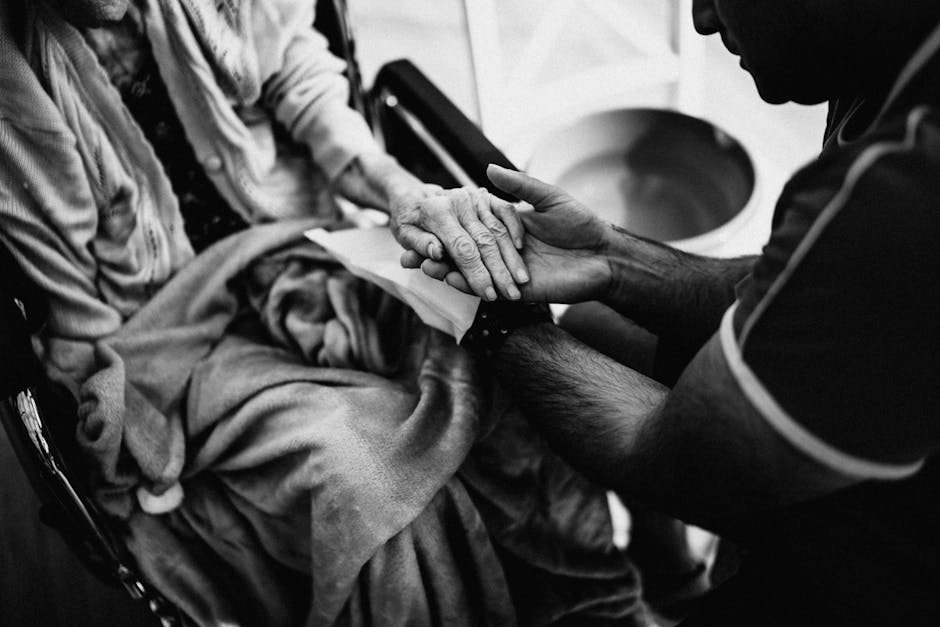
The stakes are not abstract. More than one in three adults in the United States now serves as an informal or family caregiver, according to the Mayo Clinic. That number has held steady and even climbed as the population ages and home-based care becomes the default. Caregivers consistently report higher stress levels than non-caregivers and face elevated risks for heart disease, diabetes, depression, and anxiety. Poor sleep, skipped meals, and abandoned exercise routines are not personal failings. They are the predictable downstream effects of a role that demands everything and offers little structured support. Understanding the difference between burnout and compassion fatigue is not academic. It is the first step toward recovery and toward staying alive and functional long enough to keep showing up for the person who needs you.
What Is Caregiver Burnout?
Caregiver burnout is a state of physical, emotional, and mental exhaustion caused by prolonged and excessive stress from the caregiving role. It does not happen overnight. It builds in layers, often so gradually that you do not notice the weight until you cannot get out of bed without dread. The Cleveland Clinic reports that more than sixty percent of caregivers experience symptoms of burnout, making it the rule rather than the exception.
The progression of burnout follows a recognizable pattern. Therapists who specialize in caregiver mental health often describe four stages. The first is the honeymoon or stress stage, where you are new to caregiving or facing a fresh crisis. You are running on adrenaline and a sense of duty. The second stage is the onset of symptoms. You start sleeping poorly, snapping at people, catching every cold that circulates, and feeling a low-grade resentment you are ashamed to admit. The third stage is chronic burnout. The physical symptoms intensify, your immune system falters, and you withdraw from friends and activities that once replenished you. The fourth stage is habitual burnout, where exhaustion and detachment become your baseline. At this point, you may not even remember what it felt like to be rested or to experience joy in the relationship with the person you care for.

Common symptoms include fatigue that sleep does not resolve, irritability, withdrawal from social contact, changes in appetite or sleep patterns, frequent illness, and a persistent sense of dread about caregiving tasks. The root causes are structural and relentless: lack of control over your schedule, financial strain, living with the care recipient, feeling isolated from peers who do not understand, and the sheer physical volume of daily tasks like toileting, bathing, medication management, and transportation to appointments.
The Physical Toll of Caregiver Stress
The National Institutes of Health published a landmark paper by Schulz and Sherwood in 2008 that frames caregiving as a chronic stress experience. The research, cited over 2,500 times, explains the physiological pathways clearly. Prolonged caregiving elevates stress hormones, impairs immune function, and accelerates the onset of illness. Caregivers show higher rates of hypertension, diabetes, and anxiety disorders compared to non-caregivers. Poor sleep and skipped meals are not lifestyle choices in this context. They are symptoms of a nervous system under constant strain, and they demand intervention, not willpower.
What Is Compassion Fatigue?
Compassion fatigue is a state of emotional and physical exhaustion that leads to a diminished ability to empathize or feel compassion. It often results from repeated exposure to the trauma or suffering of the care recipient. Unlike burnout, which builds over months or years, compassion fatigue can appear suddenly. It is sometimes called the cost of caring, and it hits hardest in caregiving situations where the recipient's suffering is visible, prolonged, and emotionally charged.
Caregivers for people with Alzheimer's disease, dementia, cancer, traumatic brain injury, or severe mental health conditions are especially vulnerable. You watch someone you love disappear into confusion, pain, or personality changes. You absorb their fear and grief. Over time, your emotional reserves deplete. The hallmark symptoms of compassion fatigue include emotional numbness, feeling detached from the care recipient, intrusive thoughts about their suffering, a loss of joy in the relationship, and a creeping sense that you are just going through the motions.
Where burnout says, "I cannot do this anymore," compassion fatigue says, "I do not feel anything anymore." That numbness can be terrifying. It can also trigger intense guilt, which compounds the problem. Caregivers experiencing compassion fatigue often withdraw further, afraid that their emotional flatness means they have stopped loving the person they care for. They have not. Their empathy circuitry is overloaded and needs repair, not judgment.
Caregiver Burnout vs. Compassion Fatigue: The Side-by-Side Comparison
Placing these two conditions next to each other clarifies why the distinction matters for recovery.
Onset tells the first story. Burnout develops gradually, often over months or years of accumulated stress. Compassion fatigue can strike in weeks, sometimes after a single traumatic event or a sharp decline in the care recipient's condition.
The core emotion differs. Burnout is driven by exhaustion and resentment. You feel depleted, unappreciated, and trapped. Compassion fatigue is driven by emotional numbness and secondary trauma. You feel disconnected, hollow, and unable to access the compassion that once defined your caregiving.
Recovery paths diverge. Burnout improves with rest, firm boundaries, and regular respite. When you step away and recharge, the symptoms begin to lift. Compassion fatigue requires more. Professional counseling, trauma-informed care, and sometimes a complete break from the caregiving environment are necessary to heal the empathic wound.
The relationship to the care recipient also shifts in distinct ways. A caregiver in burnout often thinks, "I cannot do this anymore." A caregiver in compassion fatigue thinks, "I do not feel anything anymore." Both statements are cries for help, but they point to different interventions.
The Emotional Layers: Caregiver Guilt, Resentment, and Anger
Caregiver guilt is one of the most searched topics related to this subject, and for good reason. It is the persistent feeling that you are not doing enough, that you are a bad person for wanting time to yourself, or that any moment spent on your own needs is stolen from the person who depends on you. Guilt is a thought pattern, not a reflection of reality. It often masks grief, fear, and the impossible standards caregivers absorb from family expectations or cultural narratives about self-sacrifice.
Caregiver resentment often stems from feeling unappreciated or being the only person shouldering the load. If you have siblings who do not help, a care recipient who cannot express gratitude, or a system that assumes you will handle everything without complaint, resentment is a rational response. It is a warning sign of burnout, not a character flaw. Resentment tells you that your boundaries have been crossed and that the distribution of labor is unsustainable.
Caregiver anger arises when care is not appreciated or when the demands of the role collide with your own unmet needs. The Cleveland Clinic notes that anger in caregivers often surfaces as frustration directed at the care recipient, other family members, or the healthcare system. Normalizing this emotion is essential. Anger is often a boundary trying to be heard. The goal is not to eliminate anger but to listen to what it is telling you and respond with adjustments to your situation.
A practical step you can take today is to name the emotion with precision. Saying "I am feeling guilt right now" is different from saying "I am a bad caregiver." The first statement creates distance and invites curiosity. The second statement is a judgment that shuts down problem-solving. Language shapes recovery, and accurate language is a tool you can use immediately.
How to Tell If It Is Caregiver Depression
Burnout symptoms mimic depression closely, which is why this distinction appears so often in caregiver searches. Both conditions involve fatigue, withdrawal, sleep disruption, and loss of interest in activities. But depression is a clinical condition with specific diagnostic criteria and a different treatment path that may include medication and structured therapy. If you rest, take respite, and still find that your mood does not improve after two weeks, consult a professional. Do not self-diagnose. A primary care physician or a therapist who understands caregiver populations can help you determine whether you are dealing with burnout, compassion fatigue, clinical depression, or some combination. The treatment that works for one will not necessarily work for the others.
5 Actionable Strategies for Recovery (2026 Edition)
First, use the stage framework. Identify which of the four stages of burnout you are in right now. If you are in the stress or onset stage, small interventions like a weekly respite block and a support group can reverse the trajectory. If you are in chronic or habitual burnout, you need more intensive support, possibly including a temporary leave from caregiving duties. Catching burnout early shortens recovery time dramatically.
Second, schedule respite care. Even two hours per week of dedicated off-duty time reduces stress hormones and restores perspective. Contact your local Area Agency on Aging to learn about respite services in your community. Many programs are underutilized because caregivers do not know they exist. You are not asking for a favor. You are accessing a resource designed to keep families intact.
Third, join a community. Isolation is a primary driver of burnout and compassion fatigue alike. Listening to real stories from people who understand your situation can reduce shame and provide practical ideas. The Mama Mable Podcast on YouTube features honest conversations and expert interviews tailored for family caregivers in the United States. You can find it here: youtube.com/@caregiverspodcast
Fourth, use tools to lighten the load. Caregiving involves an enormous amount of tracking: medications, appointments, symptoms, meals, and your own self-care. Digital tools and printable planners can offload some of that cognitive burden. Visit the Mama Mable's Caregivers Etsy shop for daily logs, medication trackers, and self-care planners designed specifically for US family caregivers: etsy.com/shop/MamaMablesCaregivers
Fifth, seek professional help when the strategies above are not enough. If you suspect compassion fatigue or clinical depression, a therapist trained in caregiver issues is essential. This is not a luxury. It is maintenance for the person who holds everything together. Many therapists now offer telehealth sessions, which removes the barrier of leaving the house.
When to Get Help: Red Flags and Resources
Certain symptoms demand immediate attention. Thoughts of harming yourself or the care recipient, complete emotional shutdown that lasts for days, or physical symptoms that will not resolve such as chest pain or severe insomnia are red flags. Do not wait. Call a crisis line, contact your doctor, or go to the emergency room.
For ongoing support, the National Family Caregiver Support Program provides grants to states for caregiver services. The Caregiver Action Network offers education and peer support. Local faith communities and senior centers often host support groups. You cannot pour from an empty cup, and seeking help is not a sign of failure. It is the most responsible thing you can do for the person who depends on you.
You Are Not Alone
Burnout is the exhaustion of the body. Compassion fatigue is the exhaustion of the heart. Both are real, both are common, and neither is a personal failure. You now have language to describe what you are feeling, and that clarity is the first step toward healing. The second step is reaching out.
Subscribe to the Mama Mable Podcast on YouTube for weekly stories and strategies that remind you that you are not doing this alone: youtube.com/@caregiverspodcast
Visit the Etsy shop for practical tools that make the daily load lighter. You deserve the same compassion you give so freely to someone else: etsy.com/shop/MamaMablesCaregivers
Frequently asked questions
- What is the difference between caregiver burnout and compassion fatigue?
- Burnout develops gradually from prolonged stress and is marked by exhaustion and resentment. Compassion fatigue can appear suddenly from exposure to trauma and is marked by emotional numbness and diminished empathy. The recovery paths differ significantly.
- What are the four stages of caregiver burnout?
- The stages are stress or honeymoon, onset of symptoms, chronic burnout, and habitual burnout. Each stage requires different levels of intervention.
- Why do caregivers get angry?
- Anger often arises from feeling unappreciated, unsupported, or trapped. It is a normal emotional response to unsustainable demands and often signals that boundaries need to be set or adjusted.
- How long does it take to recover from caregiver burnout?
- Recovery timelines vary widely. With consistent respite and support, some caregivers feel improvement in two to four weeks. For those in chronic or habitual burnout, recovery can take three to six months or longer, especially if the caregiving situation cannot be modified.
You are not doing this alone
Subscribe to the Mama Mable Podcast for weekly caregiver stories and strategies, and explore the printable tools built to lighten the daily load.
Shop Mama Mable's Caregivers on Etsy